Food preparation and manufacturing
Updated: Dec 17, 2025
In Australia, food manufacturers must comply with the relevant state and territory food legislation and Australia New Zealand Food Standards Code, both of which set strict hygiene requirements for premises, fixtures, fittings, and equipment.
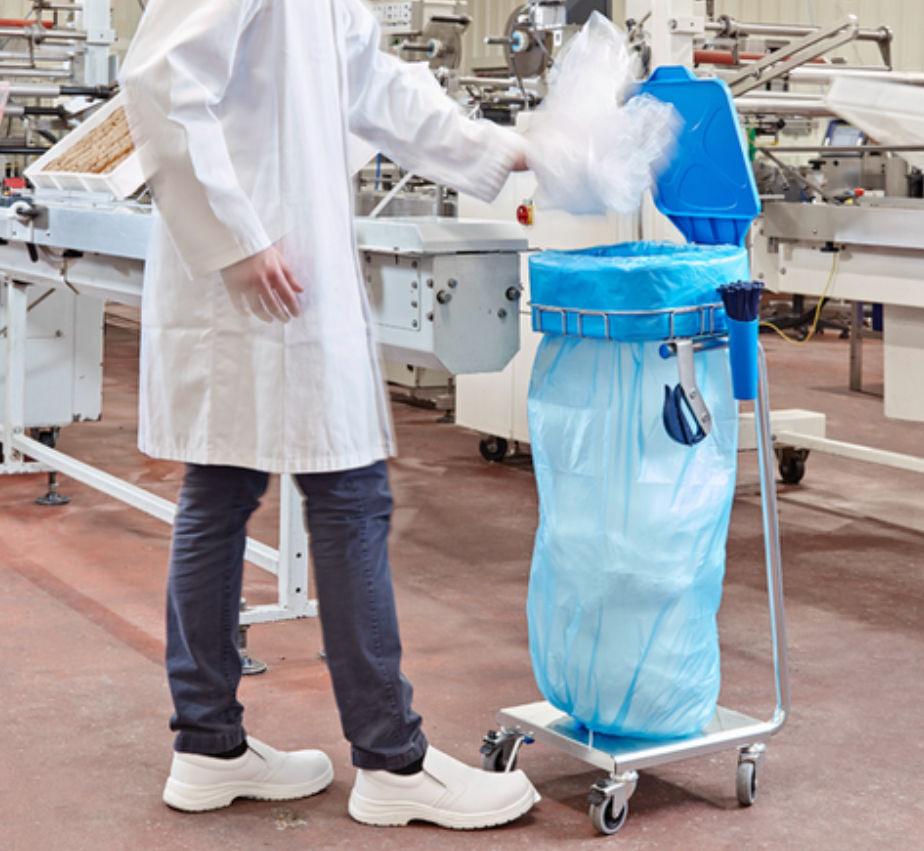
Choosing stainless steel waste stands helps meet these standards by providing surfaces that are smooth, durable, and easy to clean, ensuring both compliance and long-term reliability in demanding food production environments.
Australian food legislation requires that food businesses ensure food premises, and any facilities, fixtures, fittings, equipment, and other items used in the manufacture, processing, packaging, storage, sale, or delivery of food are designed, constructed, installed, and maintained so far as is reasonably practicable to minimise the risk of food contamination.
This is reinforced by the Australia New Zealand Food Standards Code, developed by Food Standards Australia New Zealand (FSANZ), which requires that all fixtures, fittings, and equipment must be:“(a) suitable for the purpose for which they are used; (b) able to be effectively cleaned and, if necessary, sanitised; and (c) unable to absorb grease, food particles or water.”
Local councils and environmental health authorities build on these standards by issuing detailed design and construction guidelines for food premises. These cover everything from layout and ventilation to drainage and waste management, and include clear requirements that surfaces and fixtures must be smooth, durable, and easy to clean.
That's where we come in
One of the most common areas where contamination can originate and spread is in the disposal of waste throughout every stage of the production lifecycle. That’s why it’s important to ensure the products you choose for food preparation and manufacturing can withstand heavy use and rigorous cleaning without degradation.
Stainless steel is recommended because it is smooth, non-porous, and resists corrosion. It doesn't chip or flake, and performs reliably in demanding food manufacturing and processing environments.
By contrast, galvanised coatings can break down over time, wearing away under heat, chemicals, or pressure cleaning. Once the zinc layer is compromised, the exposed metal beneath can corrode, harbour bacteria, and increase the risk of contamination.
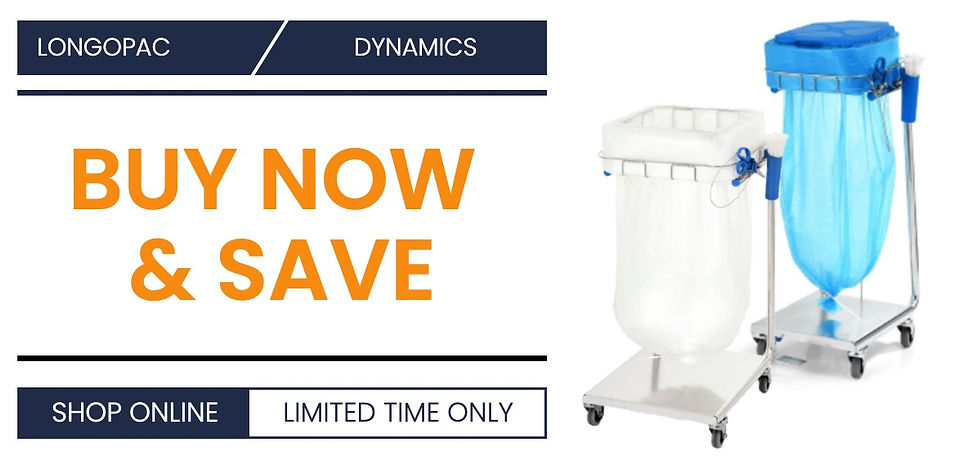
As part of our commitment to help Australian food businesses introduce improved waste management systems, we're offering premium-quality Stainless Steel Longopac Dynamic bins for the same price as the galvanised version.
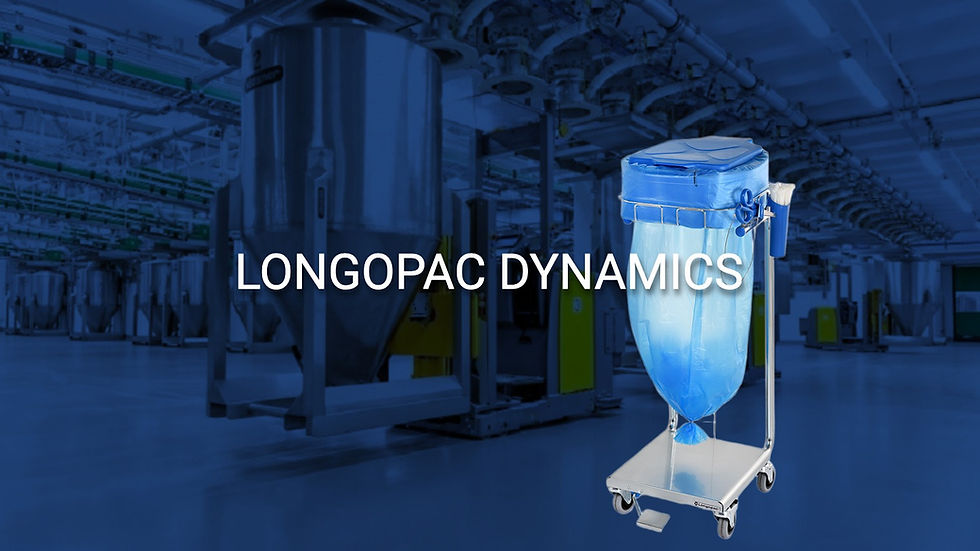
Longopac continuous liners
When it comes to food preparation and manufacturing, Longopac Mini Food Cassettes and Maxi Food Cassettes are certified for food packaging and safe handling of food and medicine. Much stronger and thinner than traditional waste bags, they allow food to be packaged for re-use and pharmaceuticals to be securely stored and transported, while maintaining strict hygiene standards.
Get in touch
To discuss the benefits of purchasing Longopac stands and liners, give us a call on 1800 003 274, and we'll customise the best solution for your business needs.


Comments